Understanding Knee Replacement Surgery
Get clear, trustworthy information about knee replacement procedures, recovery timelines, and how to find the right orthopedic surgeon in your area.
Get your free guide — no cost, no obligation
By submitting, you agree to receive your free guide and related health information via email. We respect your privacy and will never sell your data. You may unsubscribe at any time. By providing your information, you consent to be contacted by KneeHealth and its surgical partner network regarding knee health resources. Message frequency varies. Standard message rates may apply. See our and .

Who May Need Knee Replacement Surgery?
Knee replacement surgery is typically recommended for patients who experience one or more of the following conditions and have not found adequate relief through conservative treatments.
Chronic Joint Pain
Persistent knee pain that interferes with daily activities such as walking, climbing stairs, or sleeping — pain that has continued despite months of conservative treatment including medication and physical therapy.
Severe Osteoarthritis
Advanced osteoarthritis causing significant cartilage breakdown in the knee joint. When bone-on-bone contact leads to severe pain and inflammation that limits your quality of life, surgery may offer the best long-term relief.
Limited Mobility
Difficulty bending or straightening the knee, or a noticeably reduced range of motion that makes everyday activities — from getting out of a chair to taking short walks — difficult or impossible without significant pain.
Failed Non-Surgical Treatments
When treatments like physical therapy, corticosteroid injections, hyaluronic acid injections, bracing, and anti-inflammatory medications have been tried for an extended period without providing meaningful or lasting relief.
What to Expect From Start to Finish
Understanding the journey ahead helps you feel confident and prepared. Here is what the typical knee replacement process looks like.

Initial Consultation
Your orthopedic surgeon will review your medical history, conduct a physical examination, and order imaging such as X-rays or MRI scans. Together, you will discuss whether knee replacement is the right solution for your specific condition, lifestyle, and goals.
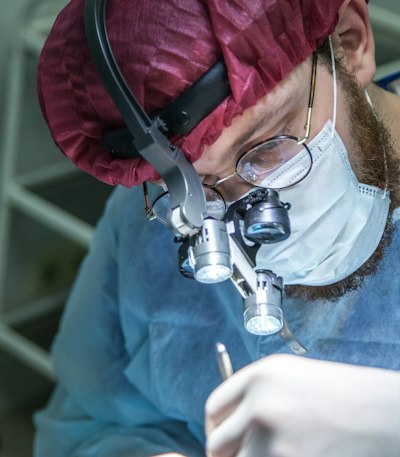
Surgery Day
The procedure typically takes 1–2 hours under general or regional anesthesia. Your surgeon removes damaged cartilage and bone and replaces the joint surfaces with precision-engineered prosthetic components. Most patients go home the same day or after one night in hospital.

Recovery & Rehabilitation
Physical therapy begins within 24 hours of surgery. Most patients walk with assistance the next day and resume light daily activities within 3–6 weeks. Full recovery and return to normal activities typically takes 3–6 months, with continued improvement for up to a year.
The Real Benefits of Knee Replacement
Knee replacement surgery has a decades-long track record of improving quality of life for patients with severe joint disease.
Reduced Chronic Pain
The majority of patients report dramatic pain reduction within weeks of surgery, often eliminating the need for daily pain medications.
Restored Mobility
Patients regain the ability to bend, straighten, and flex the knee naturally — making walking, climbing stairs, and everyday movement comfortable again.
Better Sleep Quality
Eliminating persistent nighttime joint pain allows patients to sleep through the night and wake rested — a significant quality-of-life improvement.
Return to Activities
Many patients return to swimming, cycling, golf, gardening, and travel after recovery — activities that were painful or impossible before surgery.
Long-Lasting Results
Modern implants are designed to last 15–20 years or more. With proper care and activity modifications, many patients never require a second surgery.
Minimally Invasive Options
Advances in surgical technique allow many procedures to be performed through smaller incisions, leading to less blood loss, faster recovery, and reduced hospital stays.
Real People. Real Results.
Thousands of patients have used our free guide as a first step toward finding the right surgeon and reclaiming their active lives.
"I had been living with knee pain for over six years before I found KneeHealth. The free guide explained everything I needed to know — from what questions to ask my doctor to what recovery would really look like. I had my total knee replacement eight months ago and I'm now walking three miles a day without any pain. I wish I had done this years earlier."

"After my diagnosis, I was overwhelmed and didn't know where to start. The KneeHealth guide walked me through my options in plain language — no medical jargon. It helped me find a board-certified surgeon nearby and understand exactly what Medicare would cover. My surgery was a complete success. I'm back to gardening and I recently took my first vacation in four years. This guide genuinely changed my life."

Frequently Asked Questions
We've compiled answers to the questions patients ask most when researching knee replacement surgery.
Total knee replacement (TKR), also called total knee arthroplasty, is a surgical procedure in which a damaged or worn knee joint is replaced with an artificial implant made of metal alloys, high-grade plastics, and polymers. The surgeon removes the damaged cartilage and a small amount of bone from the surface of the femur (thigh bone), tibia (shin bone), and patella (kneecap), then caps these bones with prosthetic components that replicate the smooth, gliding surface of a healthy knee. The procedure is one of the most successful operations in orthopedic medicine, with over four million performed annually worldwide.
Recovery timelines vary by patient, but here is a general guide: Most patients can walk with a walker or cane within 24 hours of surgery. Driving typically resumes within 4–6 weeks. By 6–12 weeks, most patients are managing stairs, performing light household activities, and significantly reducing pain medication. Full functional recovery — where you can walk without an aid and resume most activities — generally occurs within 3–6 months. Continued improvement in strength and comfort is common for up to 12 months post-surgery. Factors such as age, overall health, and commitment to physical therapy all influence the pace of recovery.
Good candidates for knee replacement typically have: significant knee pain that limits everyday activities, knee pain that persists while resting or during sleep, chronic knee inflammation that does not improve with rest or medication, knee stiffness that makes it difficult to bend or straighten the leg, and inadequate pain relief from other treatments such as anti-inflammatory medications, physical therapy, corticosteroid injections, or walking aids. While the procedure is most common in patients between 60 and 80 years old, age alone is not a determining factor — your surgeon will evaluate your overall health, bone quality, and lifestyle to determine candidacy. Only a qualified orthopedic surgeon can make this determination after a thorough examination.
Knee replacement is generally safe, but like all surgical procedures it carries some risks. The most common include: blood clots (deep vein thrombosis), which are prevented with blood thinners and compression stockings; infection, which occurs in approximately 1% of cases and is treated with antibiotics or, rarely, revision surgery; implant loosening over time, particularly in younger or more active patients; nerve or blood vessel injury around the knee; persistent pain or stiffness in a small percentage of patients; and reactions to anesthesia. Your surgical team will take measures to minimize all of these risks. Serious complications are uncommon — the vast majority of patients experience an uneventful recovery and excellent long-term outcomes.
Yes, knee replacement surgery is typically covered by Medicare Part A (hospital insurance) and most private health insurance plans when the procedure is deemed medically necessary. Medicare Part A covers inpatient hospital stays, while Part B may cover outpatient physical therapy during recovery. However, coverage details — including deductibles, co-pays, pre-authorization requirements, and in-network surgeon restrictions — vary significantly by plan. Some insurance plans require documented evidence that conservative treatments (physical therapy, injections, etc.) have been tried and failed before approving surgery. We strongly recommend contacting your insurance provider before proceeding and asking your surgeon's office to assist with the prior authorization process. Our free guide includes a detailed insurance checklist to help you navigate this process.
Ready to Learn More About Your Options?
Join tens of thousands of patients who've already downloaded our free guide and taken the first step toward pain-free living.
By submitting, you consent to receive your free guide and related communications from KneeHealth and its surgical partner network. See our .